Why the Bigger Air Conditioner Is Usually the Wrong One
Bigger sounds like better, but an oversized system cools the air quickly and shuts off before it ever pulls the humidity out with it.
August 27, 2026 · 4 min read
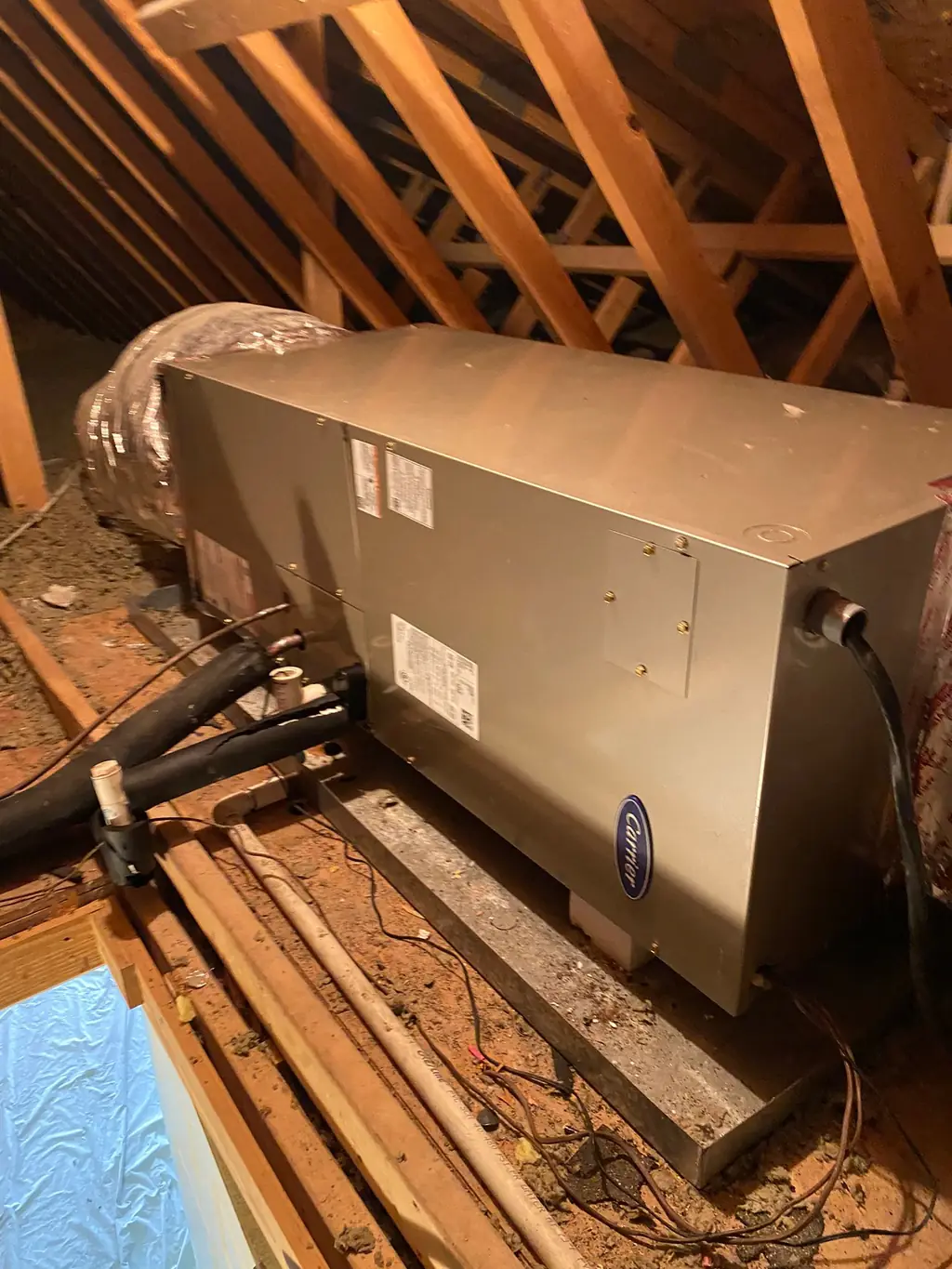
It is a reasonable instinct: if the current unit cannot keep up, replace it with a bigger one. In practice, an oversized air conditioner is one of the more common ways a Cypress home ends up cold and uncomfortable at the same time. The thermostat number looks fine. The air still feels damp. The rooms feel clammy rather than cool. That is not a broken system. It is the wrong size doing exactly what an oversized system does.
The short-cycle problem
Cooling a room is really two jobs happening at once: dropping the temperature and pulling moisture out of the air. Removing humidity takes time, because the coil has to stay cold and wet long enough for water vapor to actually condense on it and drain away. An oversized unit blasts the room down to the set temperature fast, satisfies the thermostat, and shuts off long before that slower humidity-removal process has had a real chance to finish. Then it starts again a few minutes later, repeats the same short burst, and shuts off again. The house reads cool on a thermometer while still feeling sticky against the skin, which is exactly the complaint homeowners describe when they say the new, more powerful unit somehow feels worse than the old one did.
That constant starting and stopping, known as short cycling, is also hard on the equipment itself. The compressor draws the most current and takes the most mechanical stress in the moment it starts up, not while it is running steadily. A unit that starts and stops every few minutes all day is putting itself through that stress far more often than one sized to run in longer, steadier stretches, which is part of why an oversized system can wear out sooner rather than later despite doing less total cooling.
Getting it right the first time
Sizing a system properly is not a guess based on square footage alone, and it is not solved by matching the tonnage of whatever was there before. A house that has had its windows replaced, its attic insulation improved, or an addition built onto the back since the last unit went in is not the same load it used to be, and the right size for it may not be the size that was there previously.
- Square footage and layout, including which rooms are farthest from the air handler
- Window orientation and how much direct afternoon sun a home actually takes on
- Attic and wall insulation levels, since a well-sealed home needs less cooling capacity than an identical one that isn't
- Duct condition, because leaky or undersized ducts change what actually reaches each room
- How the home is used day to day, including how many people are usually in it and when
The goal is a system that runs in long, steady stretches on the hottest afternoons rather than short, frequent bursts, because that steady runtime is what actually pulls humidity out of the air along with the heat. Whether the right fit is a ducted split system, a ductless setup for a room that never quite gets even air, or a central system sized for the whole house, the right answer comes from measuring the actual home, not from assuming that more capacity is automatically the safer bet.
The format matters as much as the tonnage. A residential split system, ducted through the attic, is the right call for most whole-house jobs, but it is not the only option. A ductless setup can solve a single room that has never cooled evenly, an added bonus room, or a converted garage, without opening up walls to run new ductwork through a space that was never built for it. A window or through-the-wall unit still has a place for a single room on its own circuit, and swapping one out includes the unglamorous part nobody thinks about until it is their problem: bracket work, and removing and hauling away whatever was there before. None of these is automatically the better choice. The right one depends on the room, the layout and what is actually causing the discomfort in the first place, which is the same question that should decide tonnage rather than a guess based on the last unit that was there.
It also shows up at night, not just in the heat of the afternoon. A correctly sized system that has spent all day removing humidity leaves a house that cools evenly and comfortably once the sun goes down. An oversized one that has been short cycling all day leaves the same house feeling muggy well after the outside temperature has dropped, because the moisture it never removed during the day is still sitting in the air well into the evening.
Houston Air Comfort, (832) 334-5696
Call (832) 334-5696More articles
The Attic Problem Nobody Points a Thermostat At
Most of the heat working against your air conditioner this summer isn't coming through the walls. It's coming through the roof.
What Actually Happens During a Real Maintenance Visit
A five-minute filter check and a signature isn't a maintenance visit. Here's what one actually looks like, and why it matters twice a year here.